

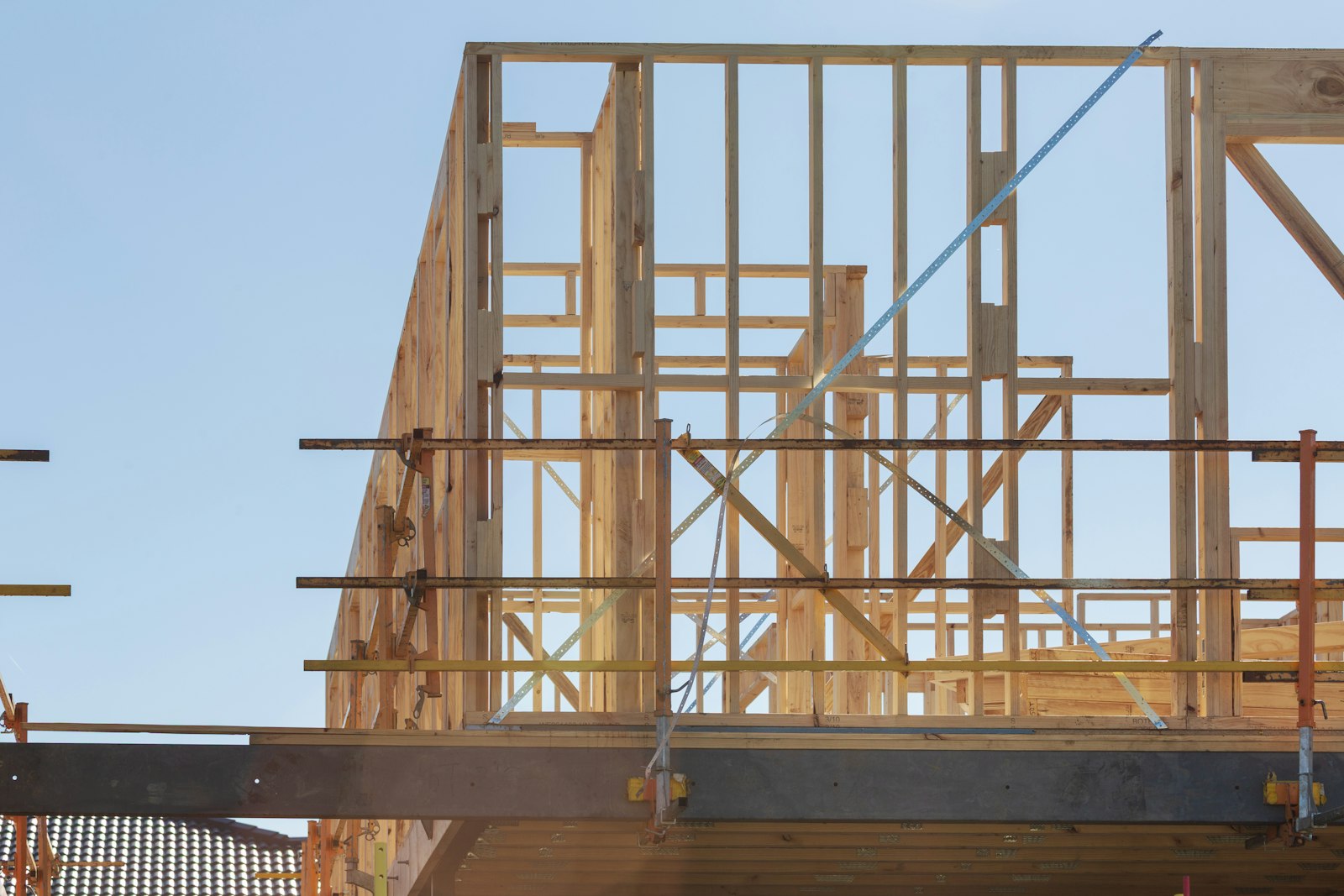
Without a study, residential rental buildings are depreciated over 27.5 years and commercial buildings over 39 years. But a building isn't one asset. Flooring, cabinetry, specialty electrical, landscaping and parking lots can qualify for much shorter lives. A cost segregation study identifies those components so you can deduct them sooner.
How a study works
An engineering-based study reviews construction costs, drawings and a site visit to reclassify part of the purchase price into:
- 5- and 7-year property, such as carpeting, appliances, cabinetry and certain electrical and plumbing serving equipment.
- 15-year land improvements, such as paving, sidewalks, fencing, landscaping and site lighting.
- The building itself, which keeps its 27.5- or 39-year life.
It's common for 20% to 35% of a building's cost to move into the shorter-lived categories, depending on the property type.
Bonus depreciation makes it powerful
Property with a recovery period of 20 years or less is eligible for bonus depreciation. Under the 2025 tax law, 100% bonus depreciation is permanent for qualifying property acquired after January 19, 2025. That means the reclassified components can often be deducted entirely in the year the property is placed in service.
State rules differ
Oregon generally follows federal depreciation rules. California does not allow federal bonus depreciation, so California returns use slower depreciation and the federal and state numbers diverge. That doesn't make a study less useful, but it changes the size of the state benefit and adds tracking.
Can you actually use the losses?
A big depreciation deduction often creates a paper loss. Rental losses are generally passive, and passive losses can only offset passive income unless you qualify for an exception:
- Real estate professional status, which requires more than 750 hours a year in real estate trades or businesses and more than half your working time.
- Short-term rentals with an average guest stay of seven days or less, where you materially participate.
- The $25,000 allowance for active participation, which phases out between $100,000 and $150,000 of modified AGI.
Suspended losses aren't wasted. They carry forward and are released when you sell the property.
Plan for the sale
Faster depreciation now means more depreciation recapture later. Gain attributable to short-lived personal property is generally taxed at ordinary rates when you sell, and gain from building depreciation can be taxed at up to 25%. A 1031 exchange, holding until death for a step-up in basis, or planning the sale into a lower-income year can soften that.
When a study usually makes sense
- Properties with a depreciable basis of roughly $750,000 or more, excluding land.
- New purchases, construction or major renovations.
- Owners who can use the losses now, or will soon.
- Investors planning to hold for several years.
The bottom line
Cost segregation doesn't create new deductions. It moves them earlier, and the time value of that money can be substantial. We help you decide whether a study pays for itself, coordinate with the engineering firm and plan the passive loss and exit strategy around it.
This article is general information, not tax, legal or investment advice for your situation. Rules and thresholds change, so please talk with a qualified advisor before acting.